Project Circus
These images question societies habit of constructing categories it then uses as tools to overvalue and undervalue the complex, changing, and rich variety of what, each day, crosses our paths. By casting aside the ‘strange, inferior, flawed, and freakish’ we impoverish ourselves by refusing to discover the world we inhabit, the world of which we too are part.
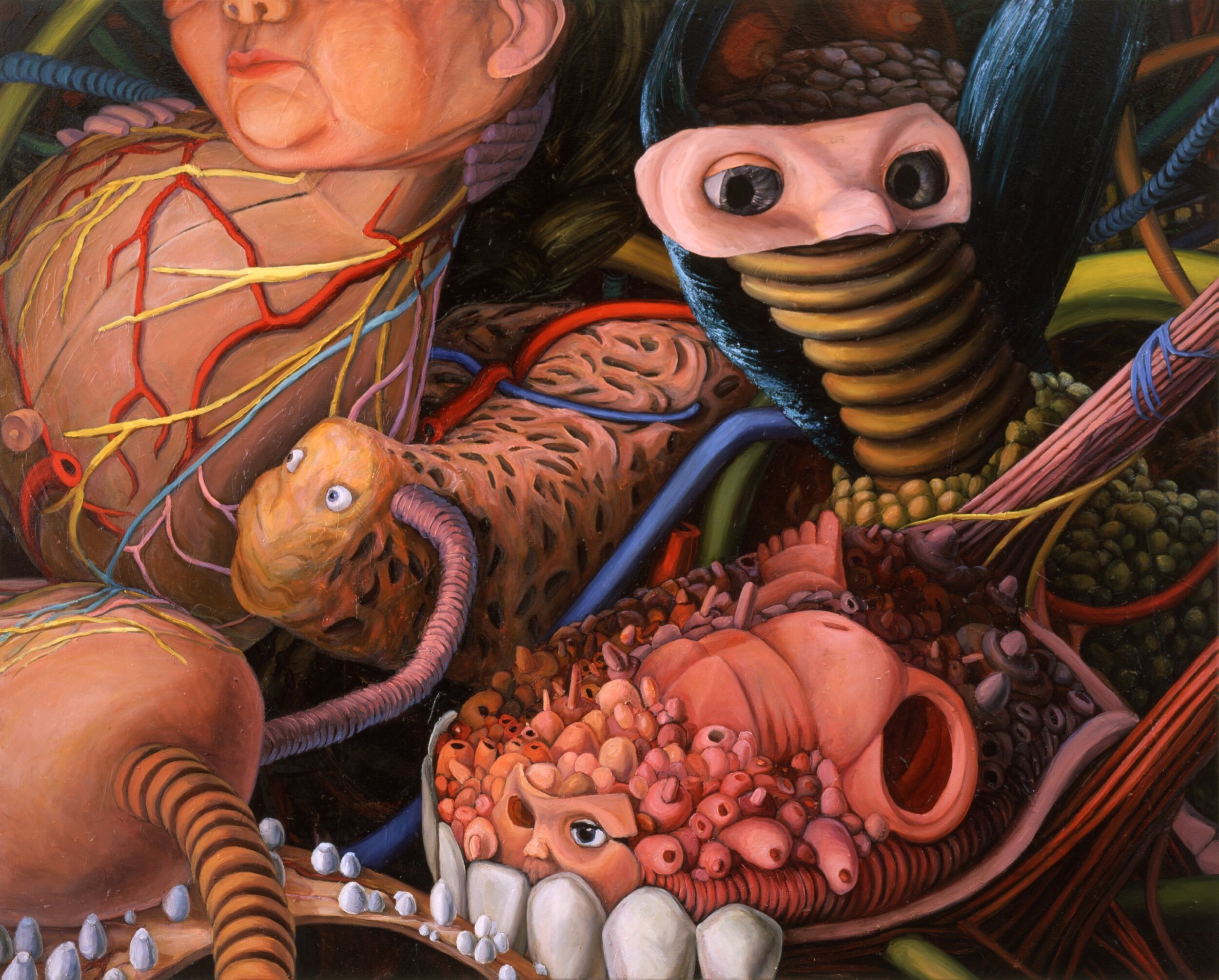
Stomach Angel - oil on canvas - 122 x 152cm
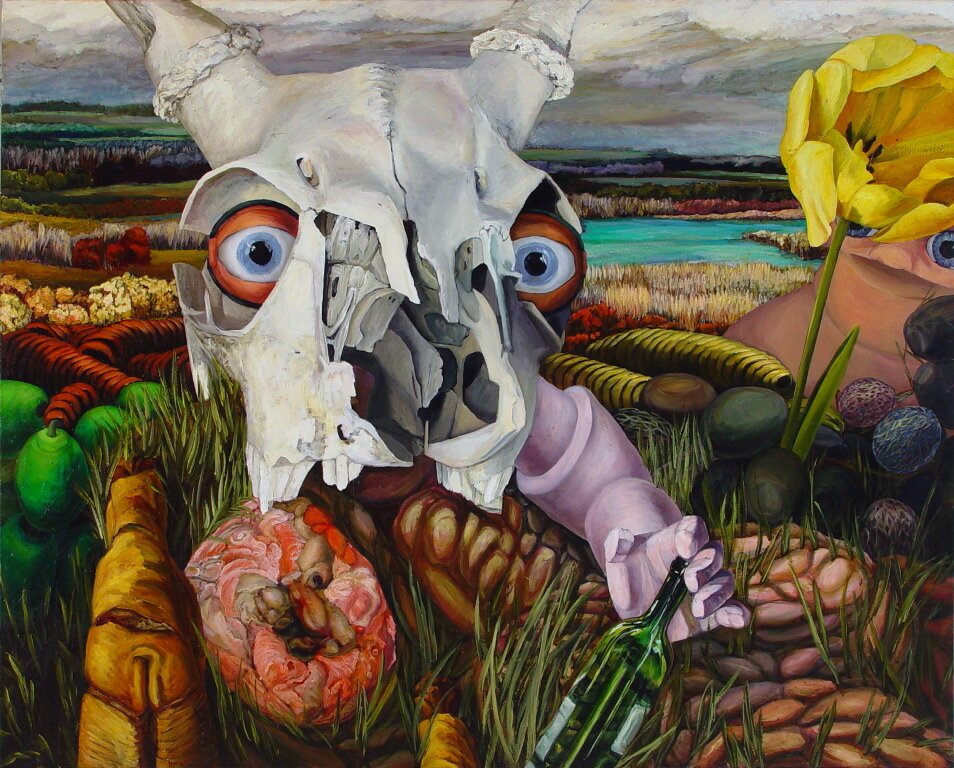
Drinking Fertilizer - oil on canvas - 122 x 152cm
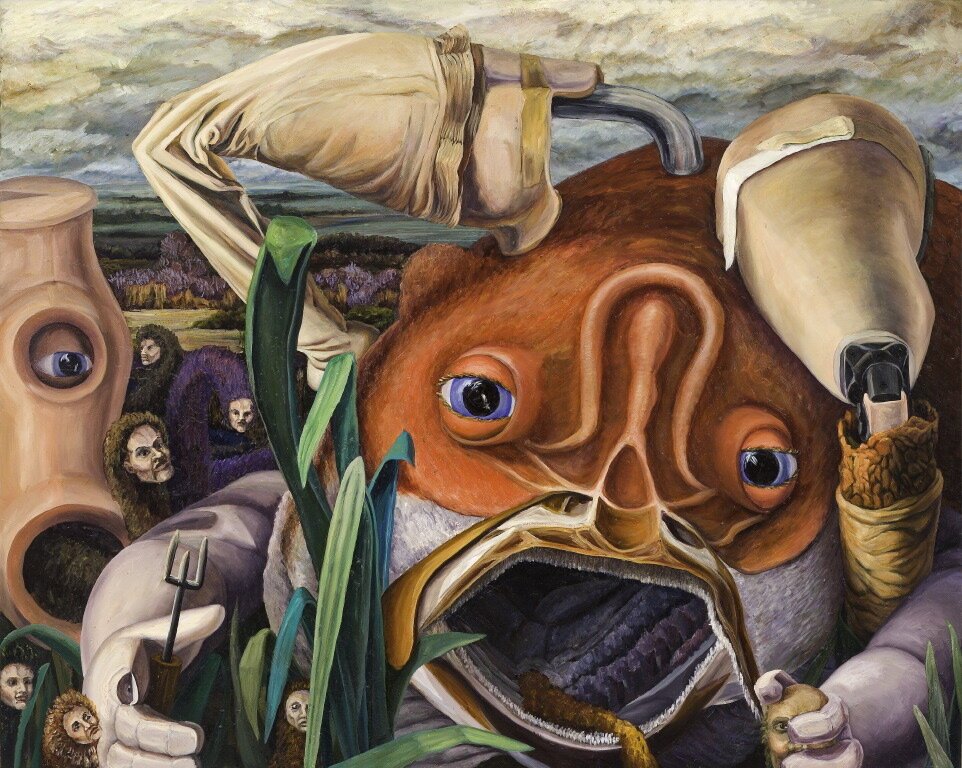
Eating Caterpillars - oil on canvas - 122 x 152cm
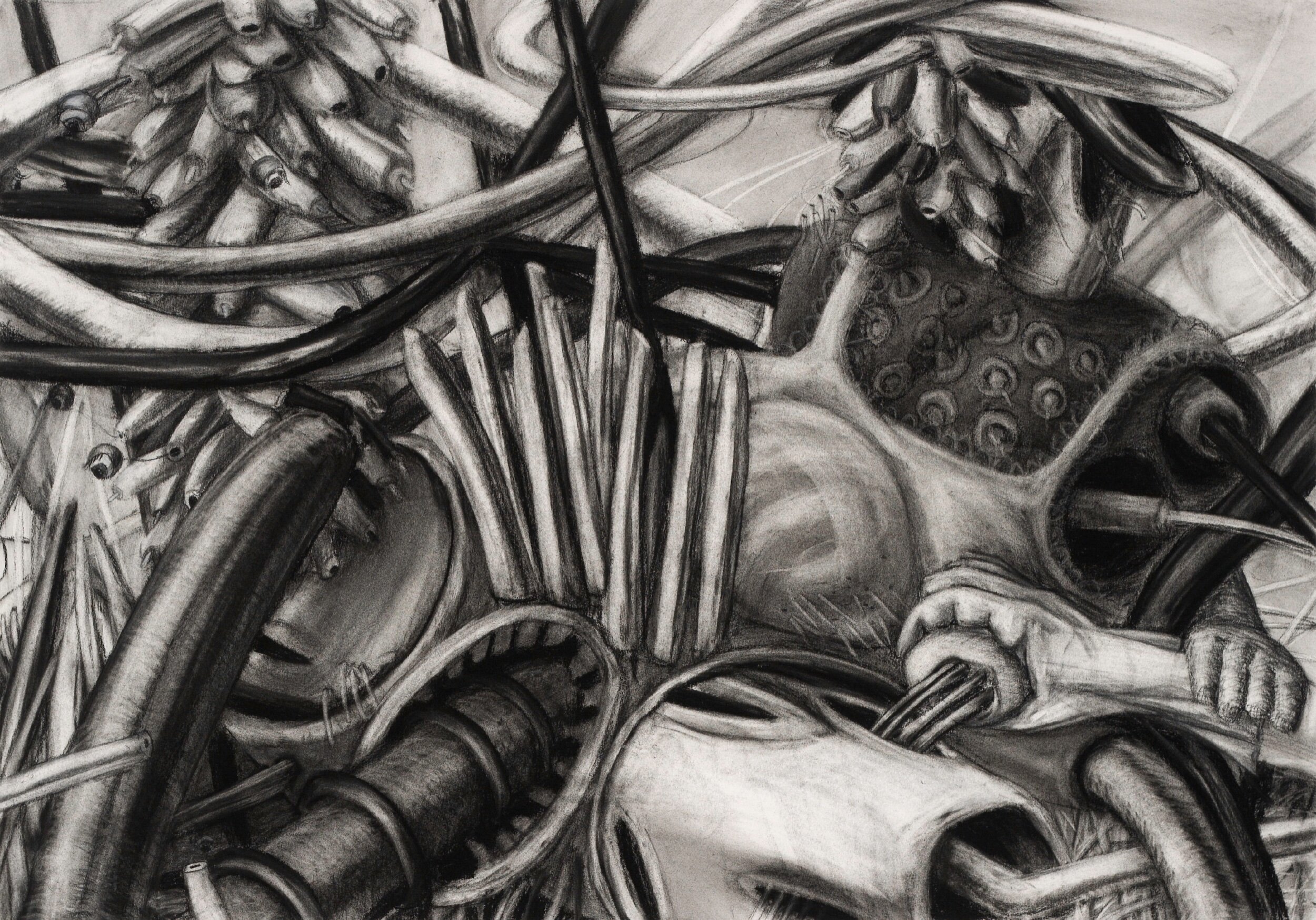
Breastfarm - charcoal on paper - 76 x 101cm
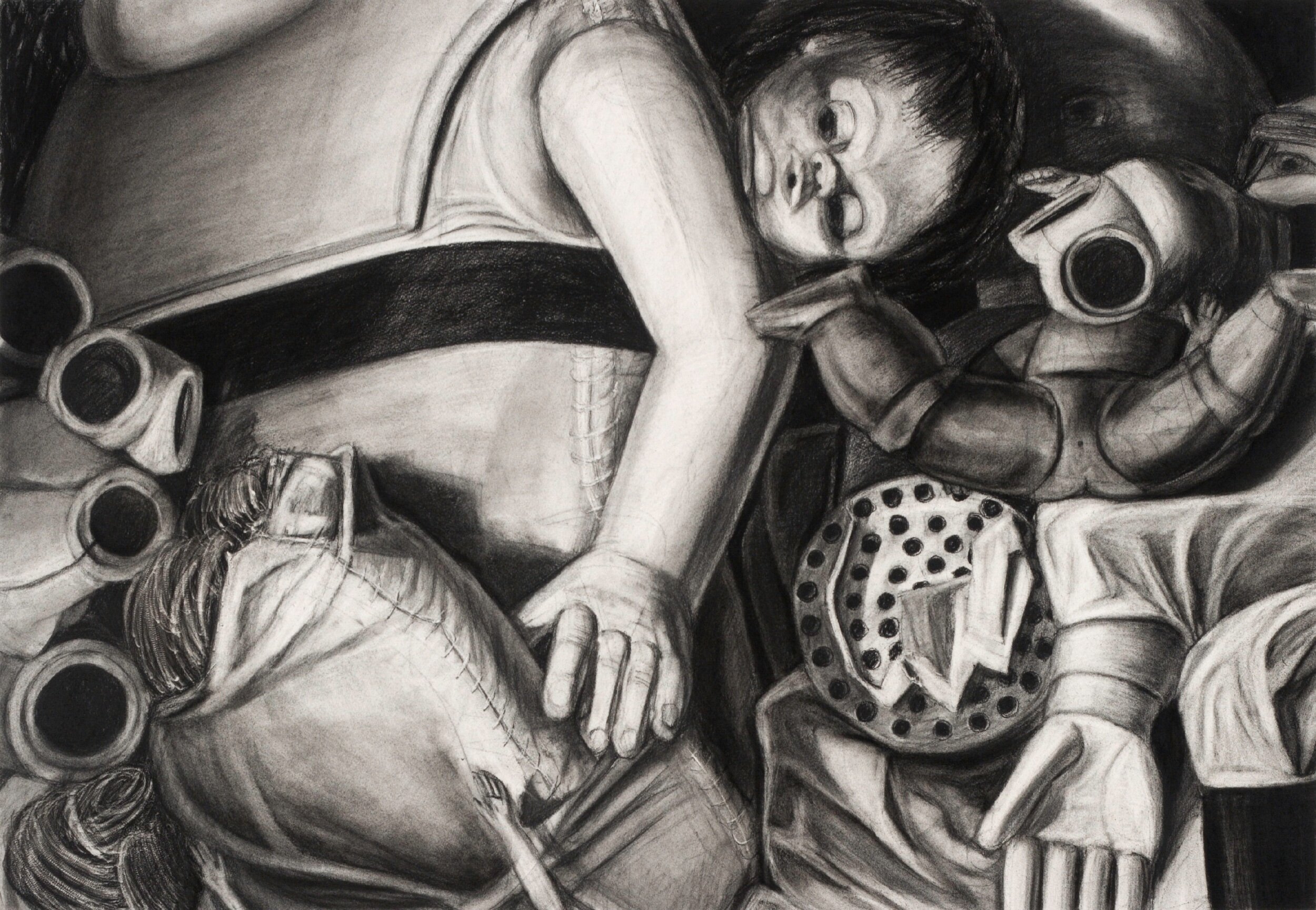
Cheststrap - charcoal on paper - 76 x 101cm
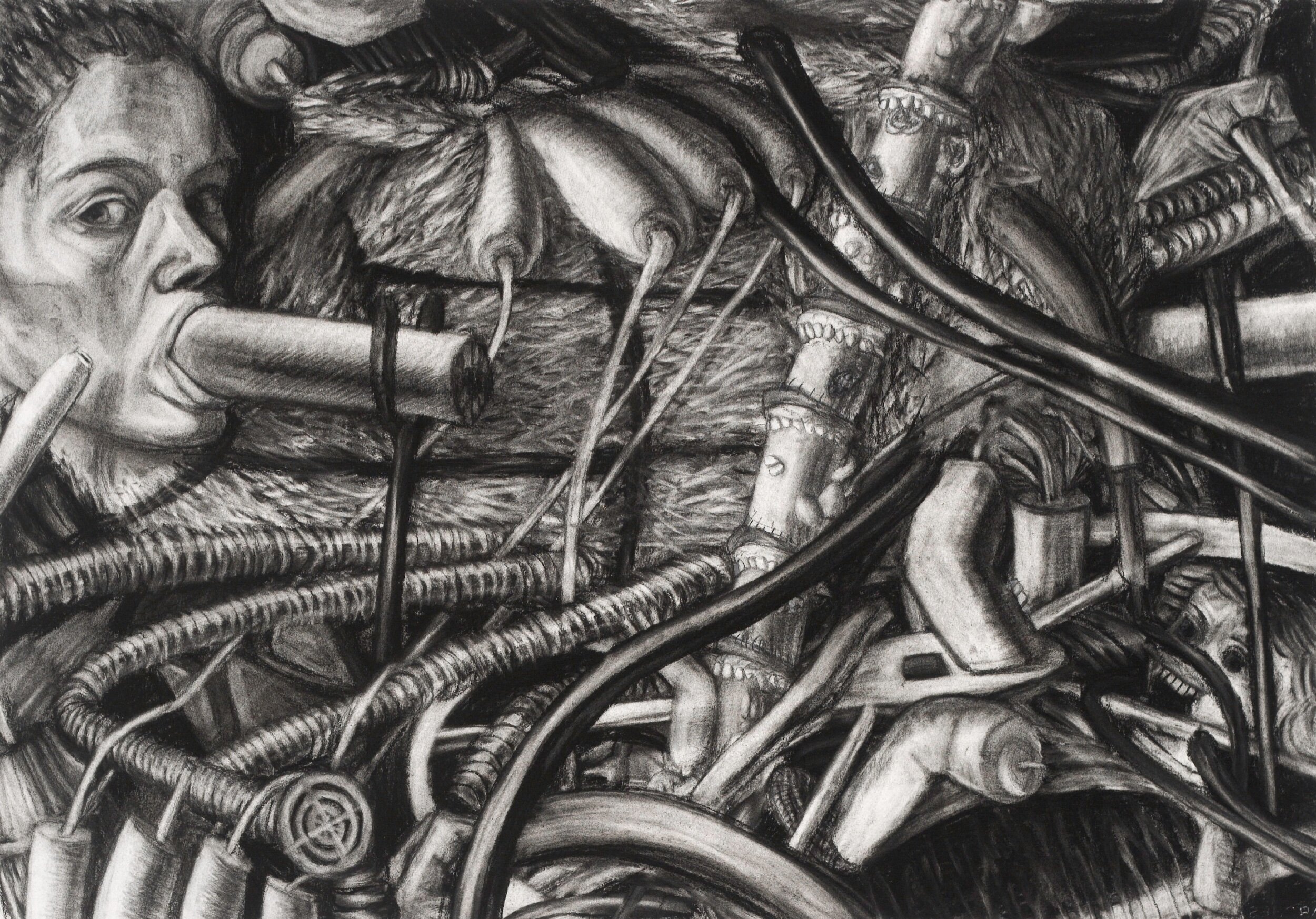
Feed - charcoal on paper - 76 x 101cm
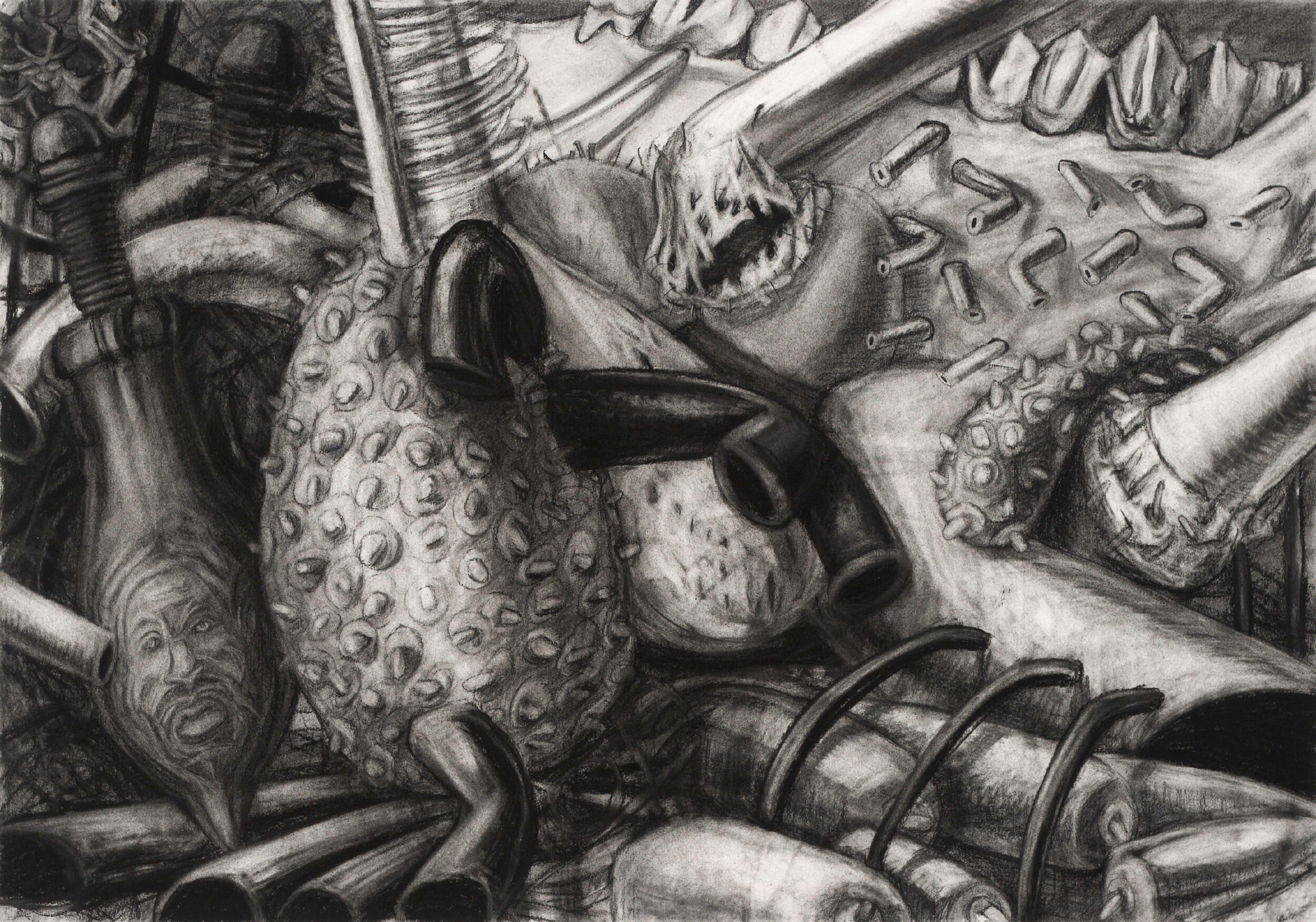
Nippleball - charcoal on paper - 76 x 101cm
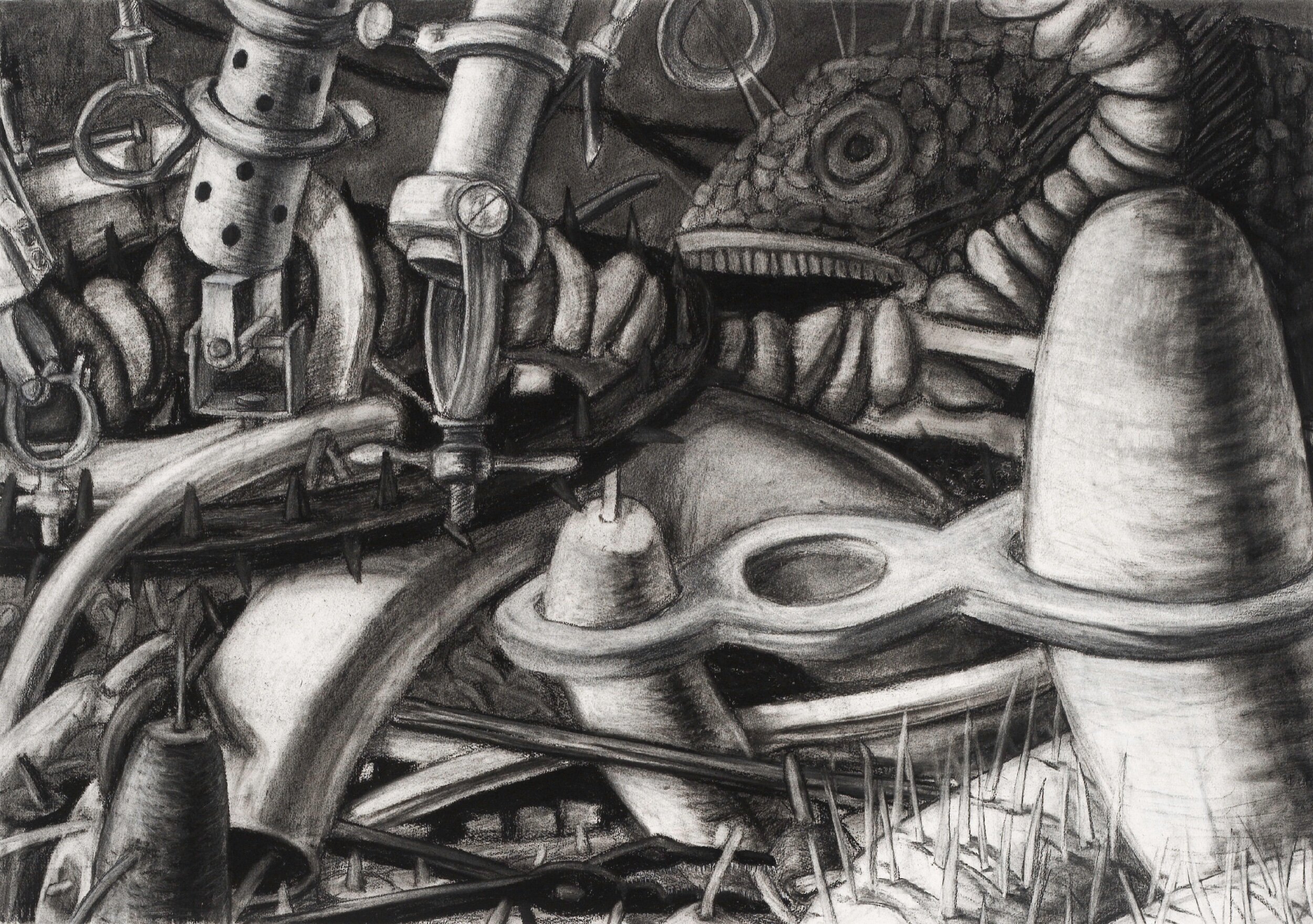
Prosthetic - charcoal on paper - 76 x 101cm
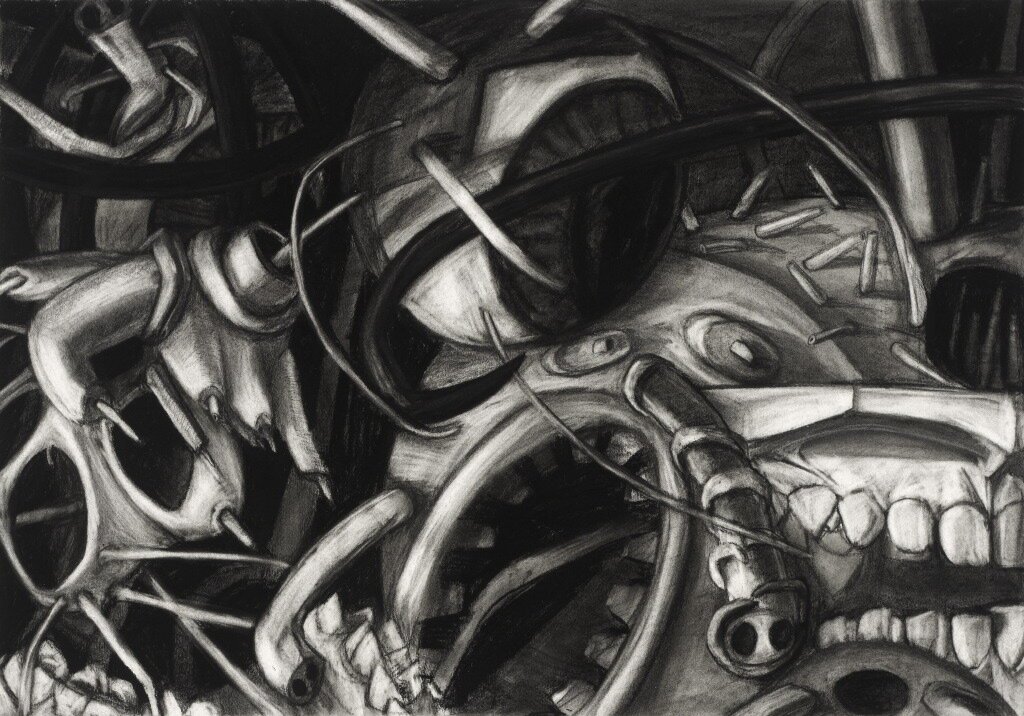
Bitten - charcoal on paper - 76 x 101cm
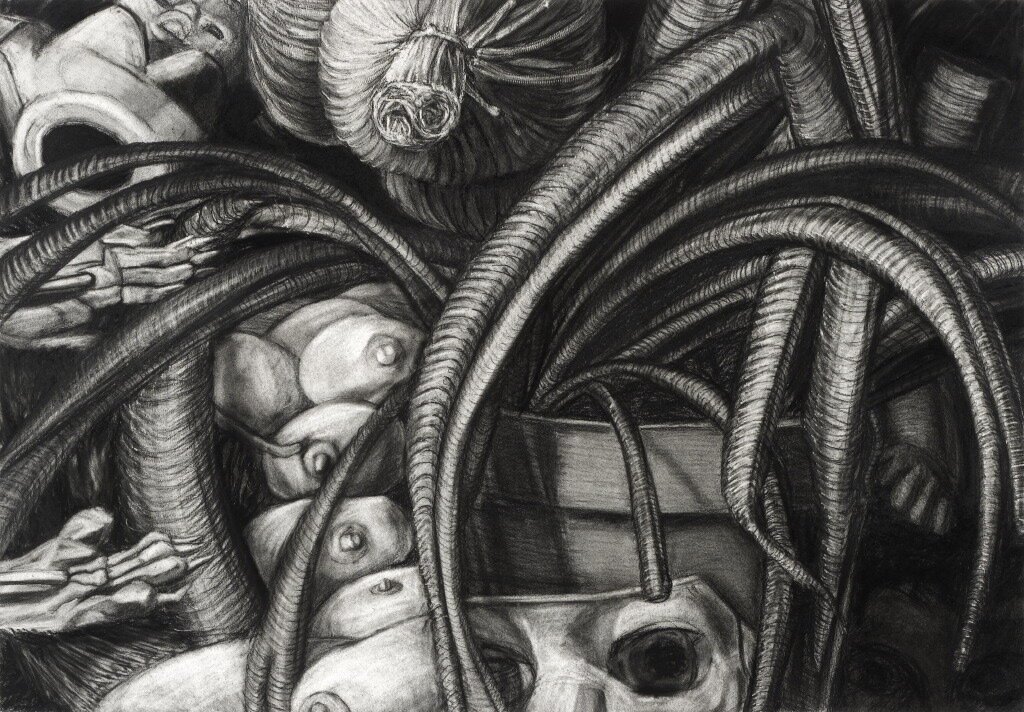
Breastmines - charcoal on paper 76 x 101cm
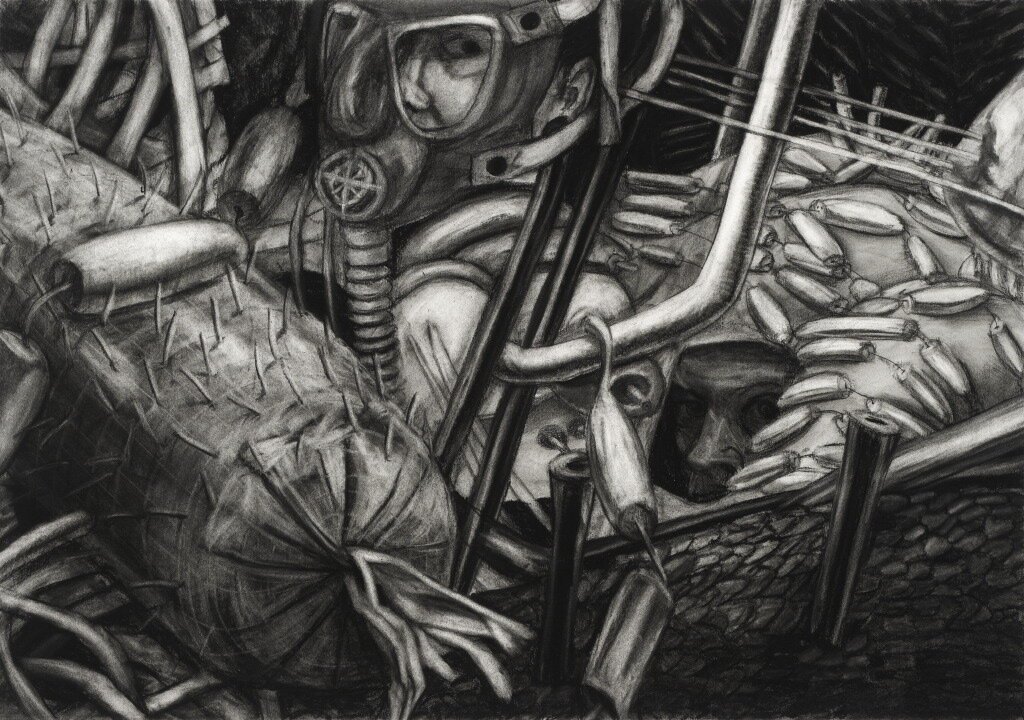
Breathe - charcoal on paper - 76 x 101cm
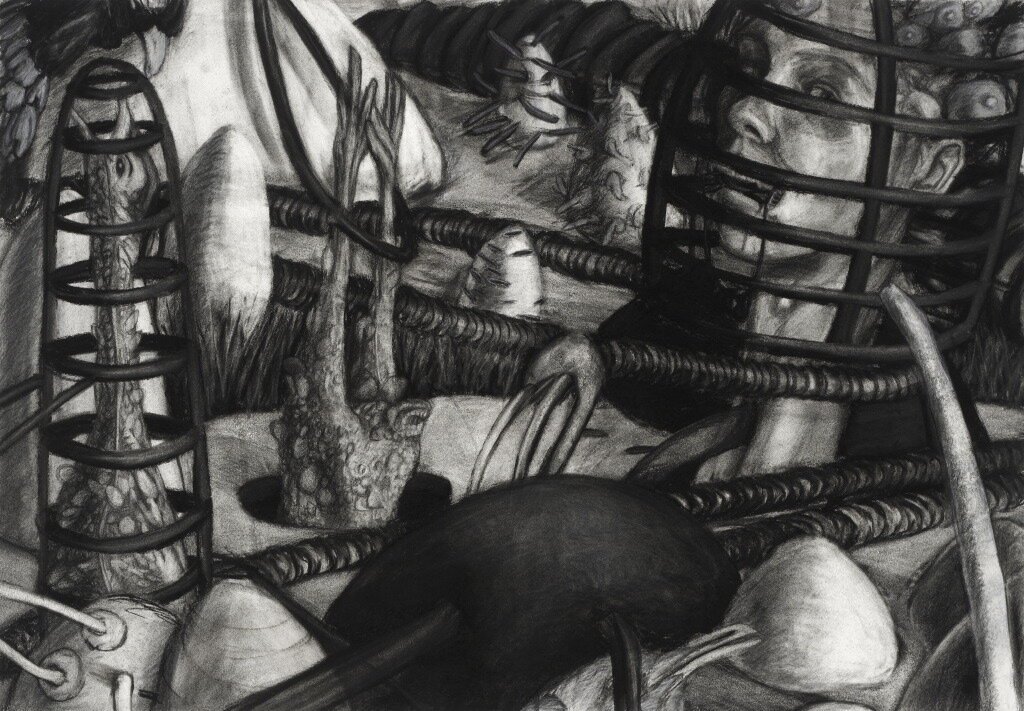
Untitled - charcoal on paper - 76 x 101cm
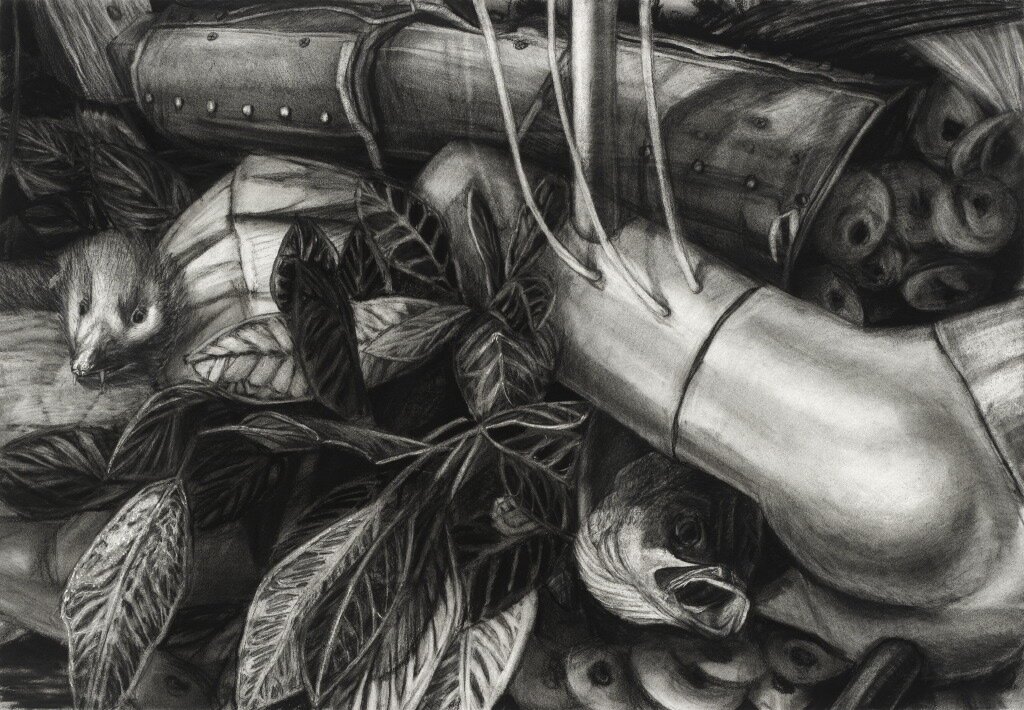
Fishplant - charcoal on paper - 76 x 101cm
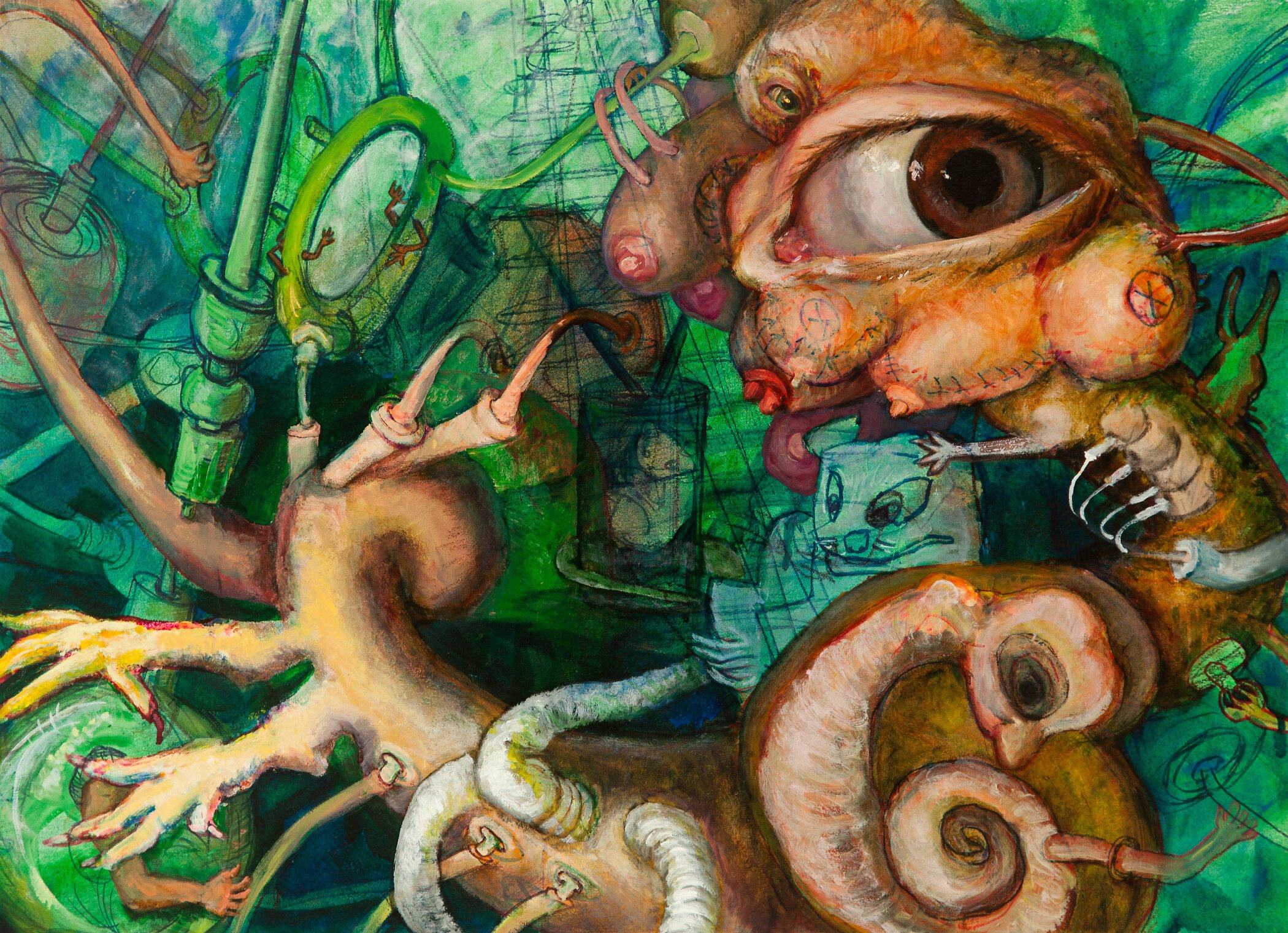
Righty Tighty, Lefty Loosie - oil and mixed media on paper - 21 x 28"
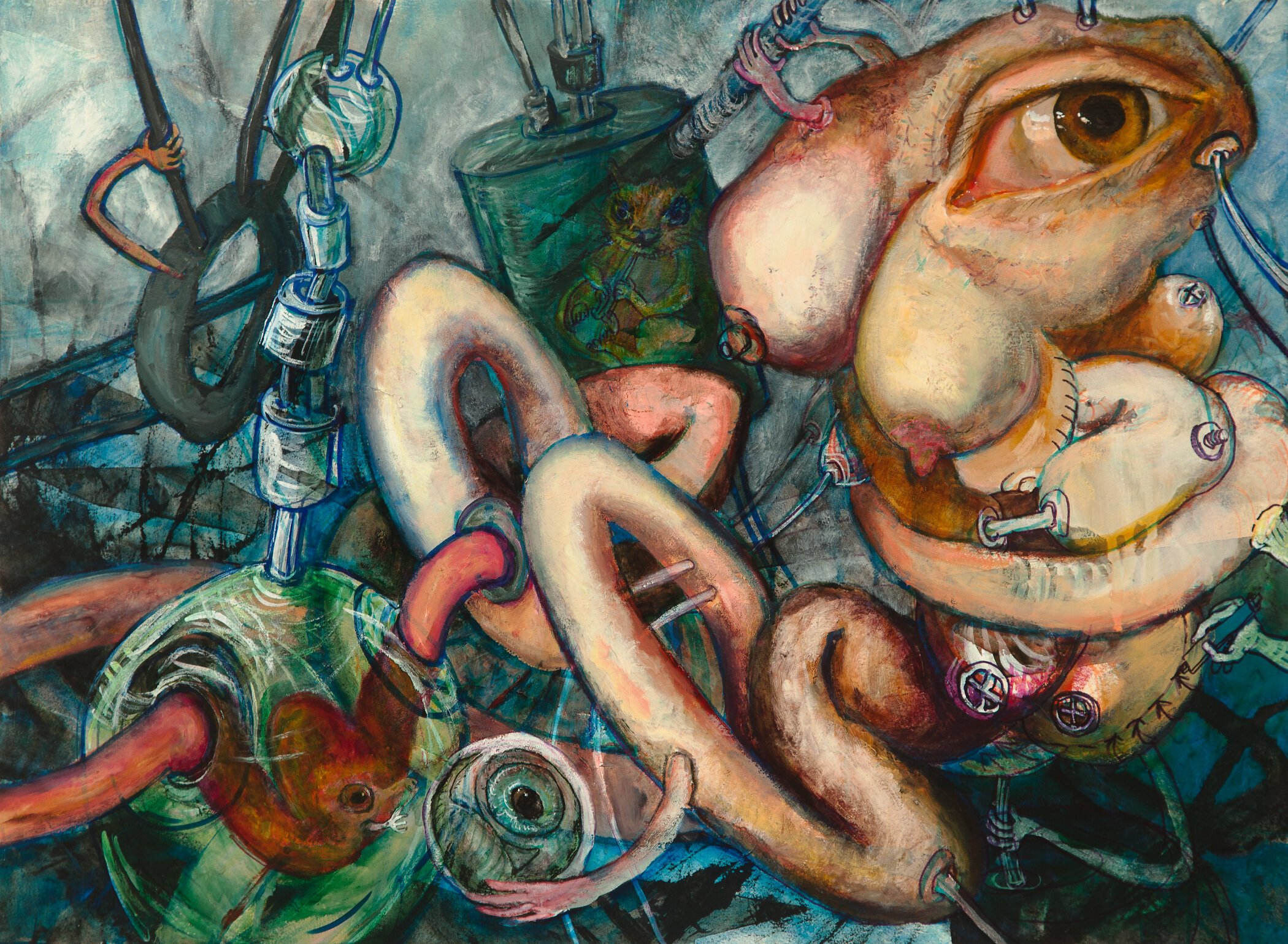
Plug Me In - oil and mixed media on paper - 21 x 28"
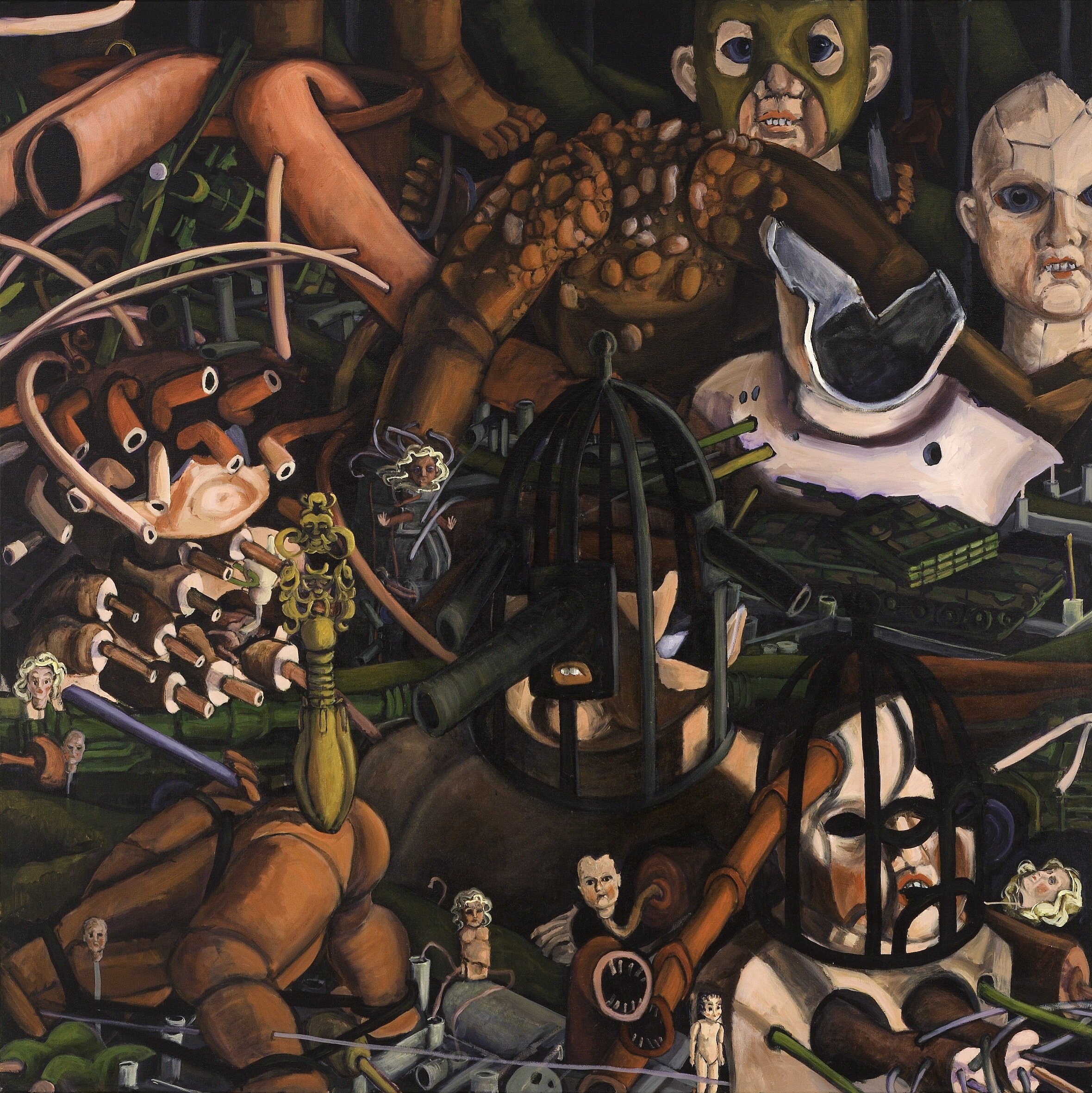
Bridle - oil on canvas - 152 x 152cm
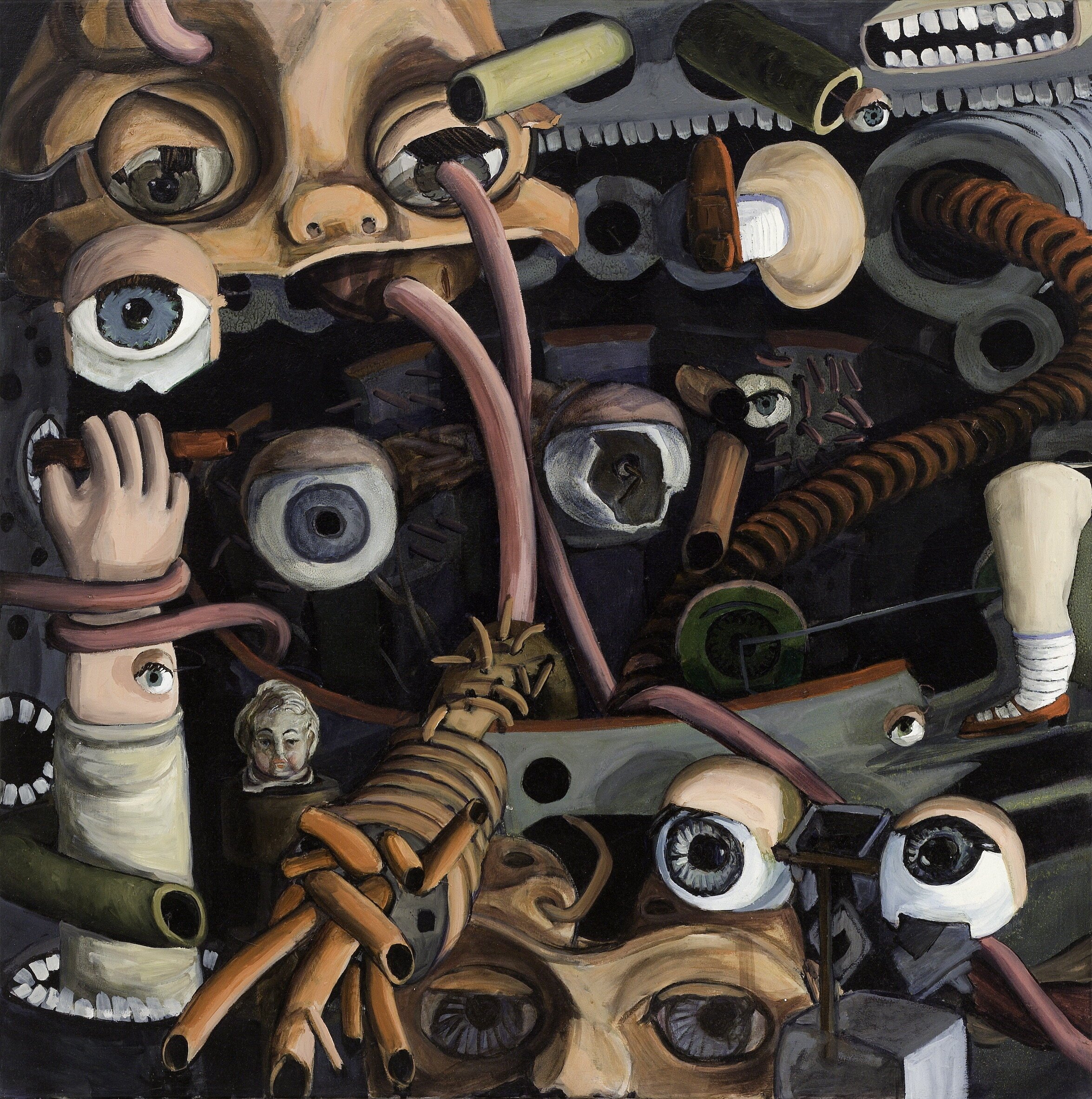
Circus - oil on canvas - 91 x 91cm
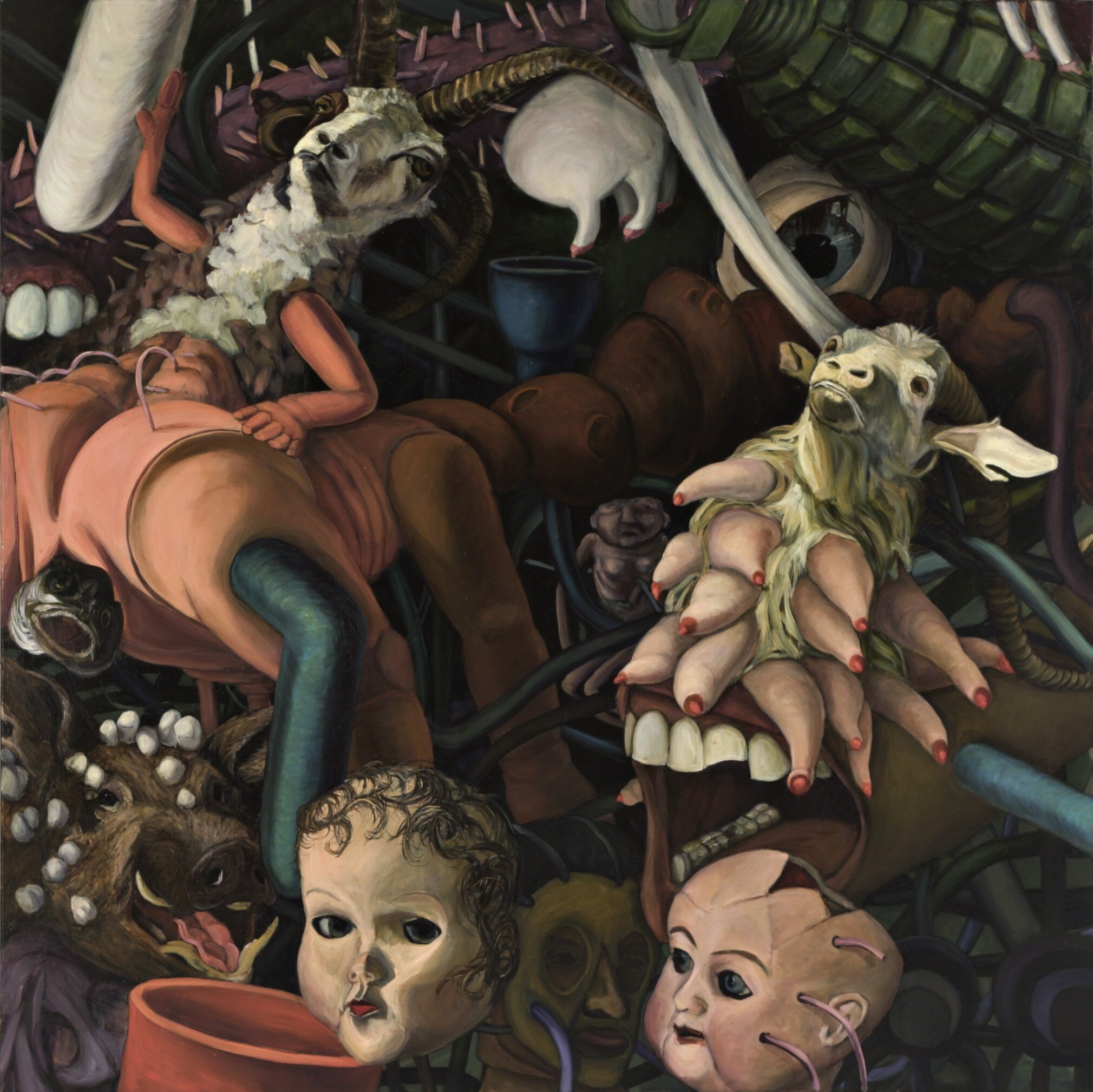
Crossbreed - oil on canvas - 152 x 152cm
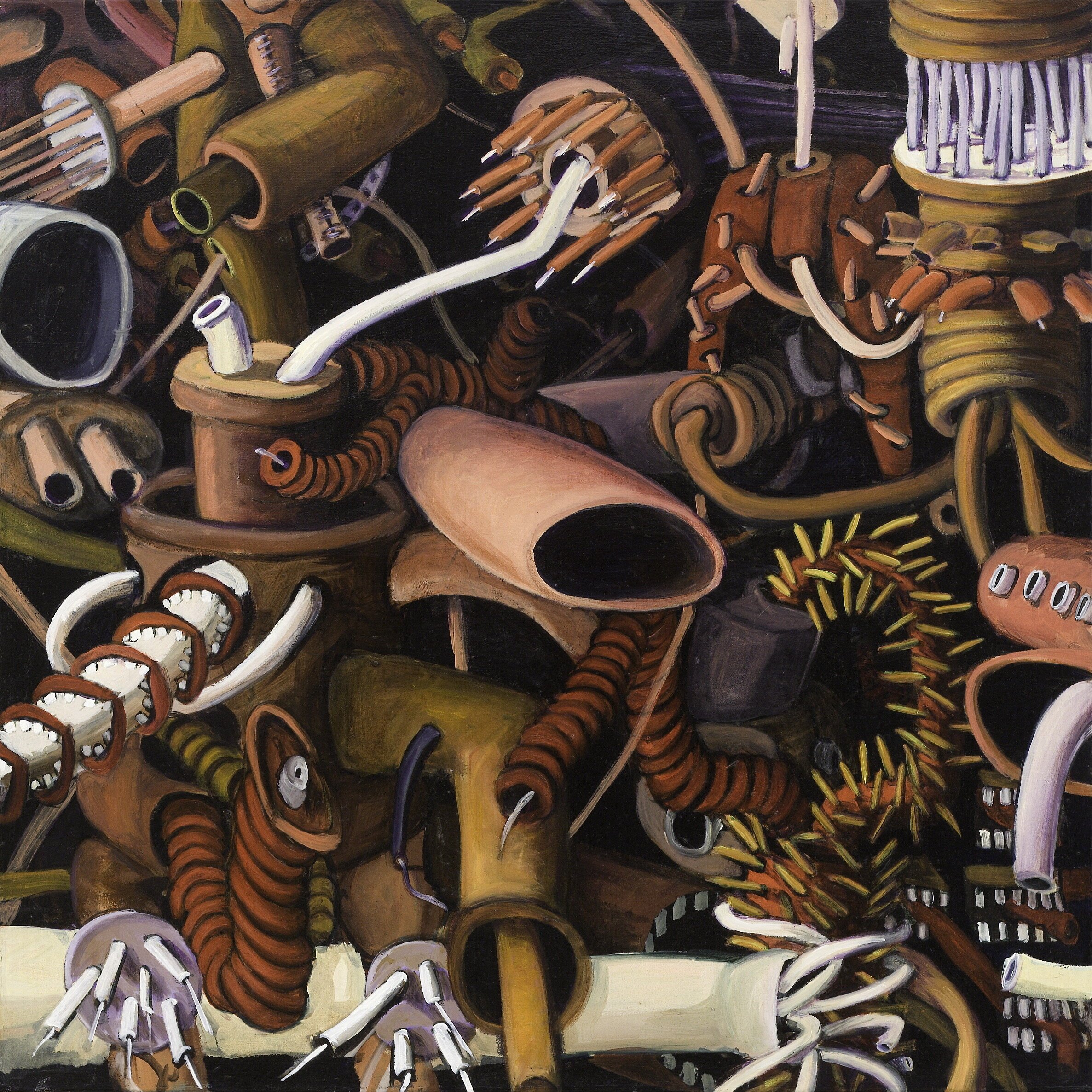
Hoseline - oil on canvas - 91 x 91cm
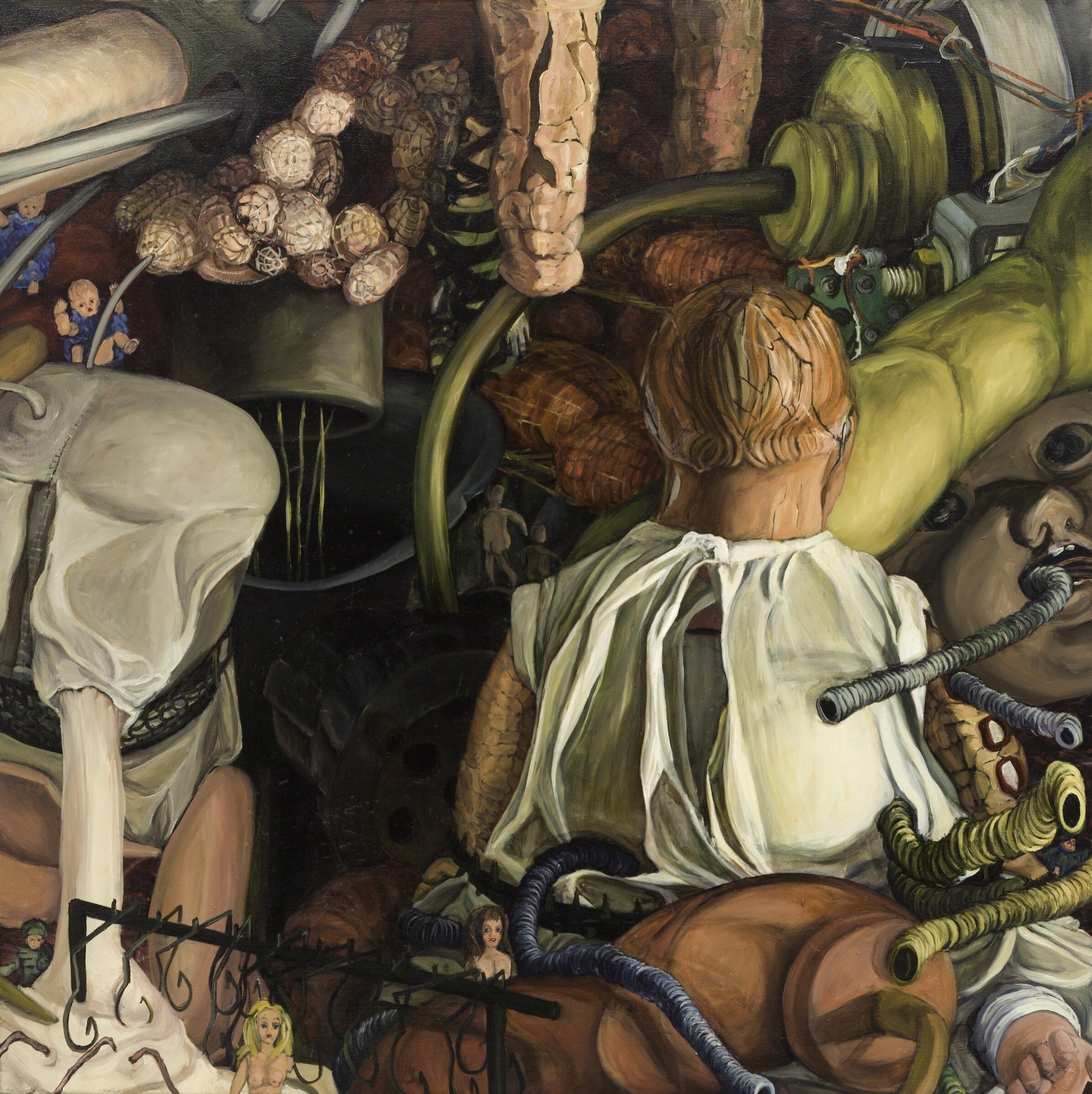
Meat Grenades - oil on canvas - 152 x 152cm
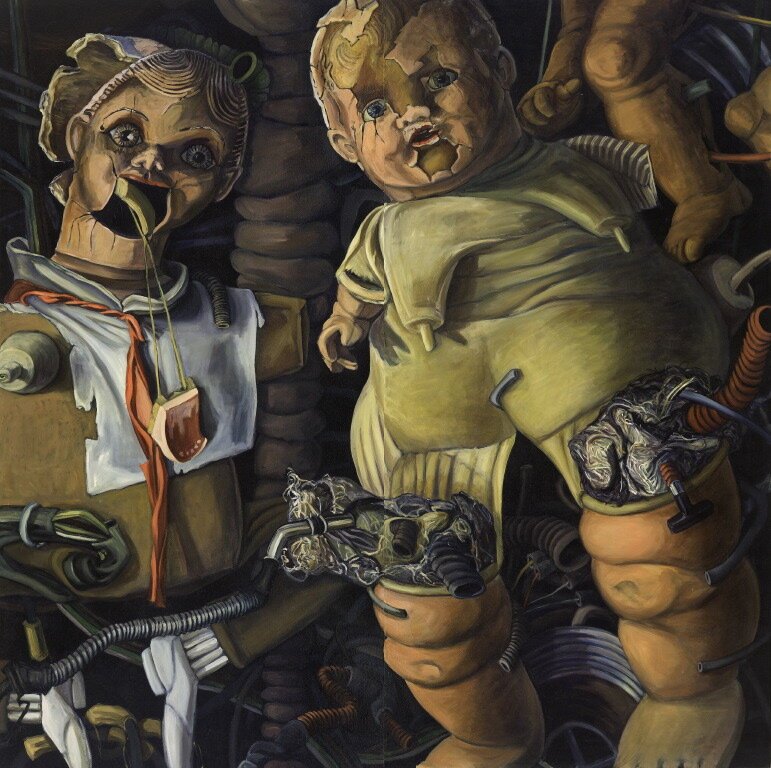
Dollhouse II - oil on canvas - 213 x 213 cm
This ongoing series of images serves as a critique of society’s construction of the ‘normal’ and the valuable. Whether animal, machine, or human, whatever does not fit—or cannot be constrained to fit—society’s narrow categories-of-value is habitually rejected as inferior, discarded as trash, abandoned as alien.
The forms depicted in this series, serving as metaphors for such marginalized ‘detritus’, are taken out of their original settings (e.g.. slaughterhouse, landfill, freak-show, asylum). The alienated ‘object’ which society has devalued and made ‘other’ acts both as habitat for the alienated and as its signifier. These forms work both as elements in constructing that new habitat and as individuals within it; they are thus both actor and acted upon.
In some cases the forms serve as stand-ins for humans. Creatures strange and unfamiliar in their partial and multiple natures—hybrids and cyborgs—they are amalgams; they share features and display affinities with more than one category. These multiple natures breach the boundaries of species, sexuality, race, class, and gender. The strangeness of these creatures and their environments calls into question our ideas of the ‘beautiful’, valuable and ‘normal.’
The alienated ‘other’ has been withdrawn from the trash-heap and coaxed back from the margins. Now chosen for portrayal in art, it comes to us for re-view and re--consideration. Within the context of art, i.e. an arena for the beautiful and the valuable, the shunned is not detritus, an ‘object’, but rather it is the reclaimed subject, its nature recognized as worthy of encounter.
These images question societies habit of constructing categories it then uses as tools to overvalue and undervalue the complex, changing, and rich variety of what, each day, crosses our paths. By casting aside the ‘strange, inferior, flawed, and freakish’ we impoverish ourselves by refusing to discover the world we inhabit, the world of which we too are part.